Renewable Energy
Renewable Energy: How Solar, Wind, Hydro, and Emerging Technologies Are Powering the Future #part1
Explore how renewable energy works, the technologies behind solar, wind, hydro, geothermal, and biomass power, and the challenges shaping the global energy transition
Introduction

For most of human history, energy came from sources that were easy to burn: wood, coal, oil, and natural gas. Those fuels powered factories, transportation systems, and modern cities. They also came with a trade-off—finite supplies and environmental impacts that have become increasingly difficult to ignore.
Renewable energy represents a different approach. Instead of extracting fuel that will eventually run out, renewable technologies capture energy from natural processes that are continuously replenished by the Sun, the Earth, and the movement of water and air.
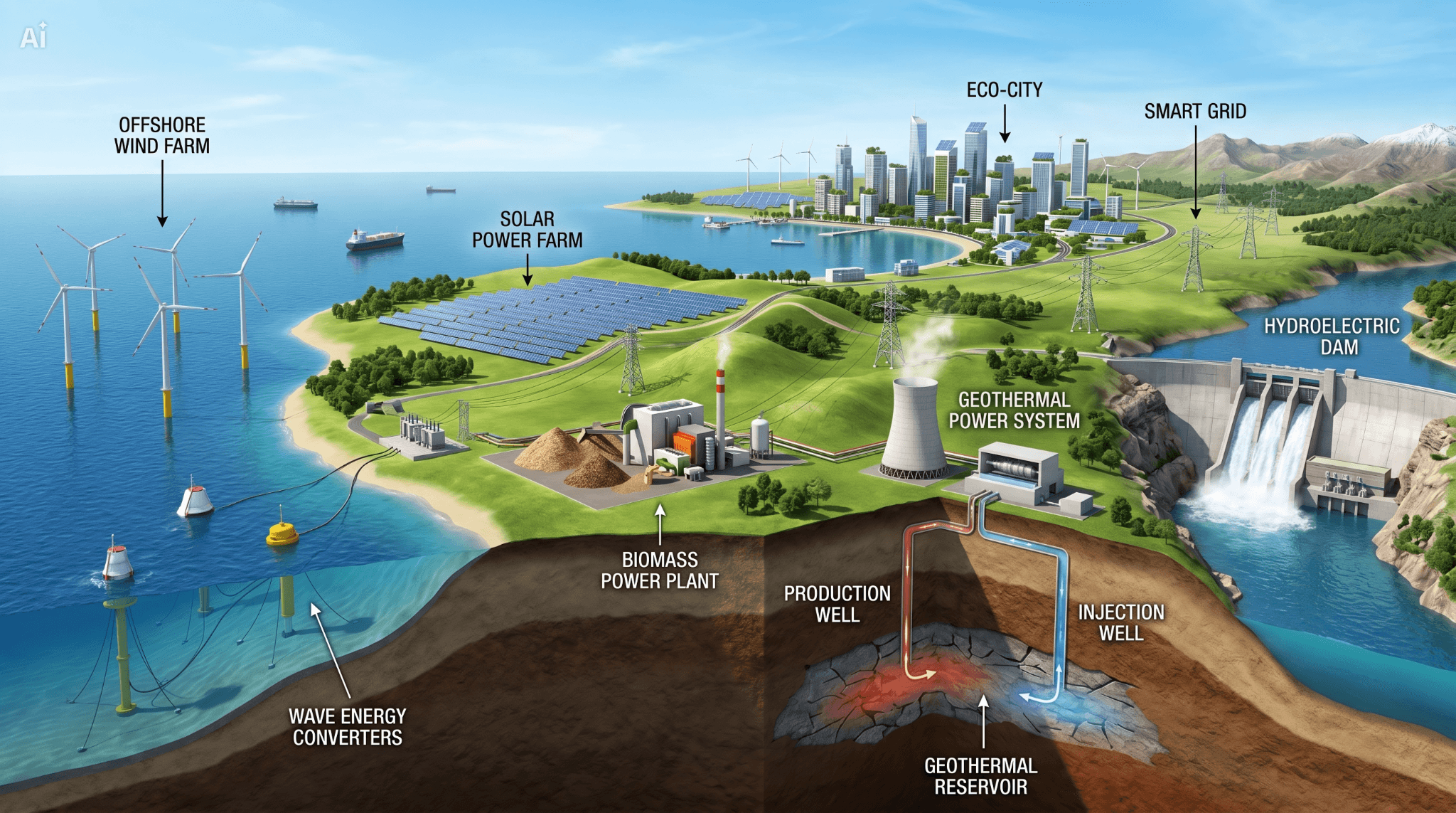
That shift is reshaping power systems around the world. Solar panels now cover rooftops and deserts. Wind turbines rise from farmland and offshore waters. Hydroelectric dams, geothermal plants, and biomass facilities contribute electricity, heat, and fuel to modern economies.
The question is no longer whether renewable energy is technically possible. The more interesting question is how quickly it can be integrated into energy systems that were built around fossil fuels.
What Renewable Energy Is
Renewable energy is energy derived from natural sources that are replenished on a human timescale. Unlike fossil fuels, these sources are continuously renewed through natural processes.
Renewable sources include
Sunlight (solar energy)
Wind (wind energy)
Flowing water (hydropower)
Heat from the Earth (geothermal energy)
Organic materials such as agricultural residues and forestry byproducts (biomass energy)
Ocean waves and tides (marine energy)
Featured Snippet Definition
What is renewable energy?
Renewable energy is energy generated from naturally replenishing sources such as sunlight, wind, water, geothermal heat, and biomass. These sources can be used repeatedly without being depleted on a human timescale.
How Renewable Energy Works

At its core, renewable energy is about converting natural energy flows into usable electricity, heat, or fuel.
Think of it like harvesting rather than mining.
A solar panel harvests sunlight. A wind turbine harvests moving air. A hydroelectric dam harvests the energy of flowing water. The underlying resource remains part of a continuous natural cycle.
Most modern renewable systems follow a similar pattern:
The basic process
1. Natural energy source
Sun, wind, water, heat
2. Capture technology
Panel, turbine, dam, geothermal well
3. Energy conversion
Electricity, heat, or fuel
4. Distribution
Homes, businesses, industry
Types of Renewable Energy
1. Solar Energy

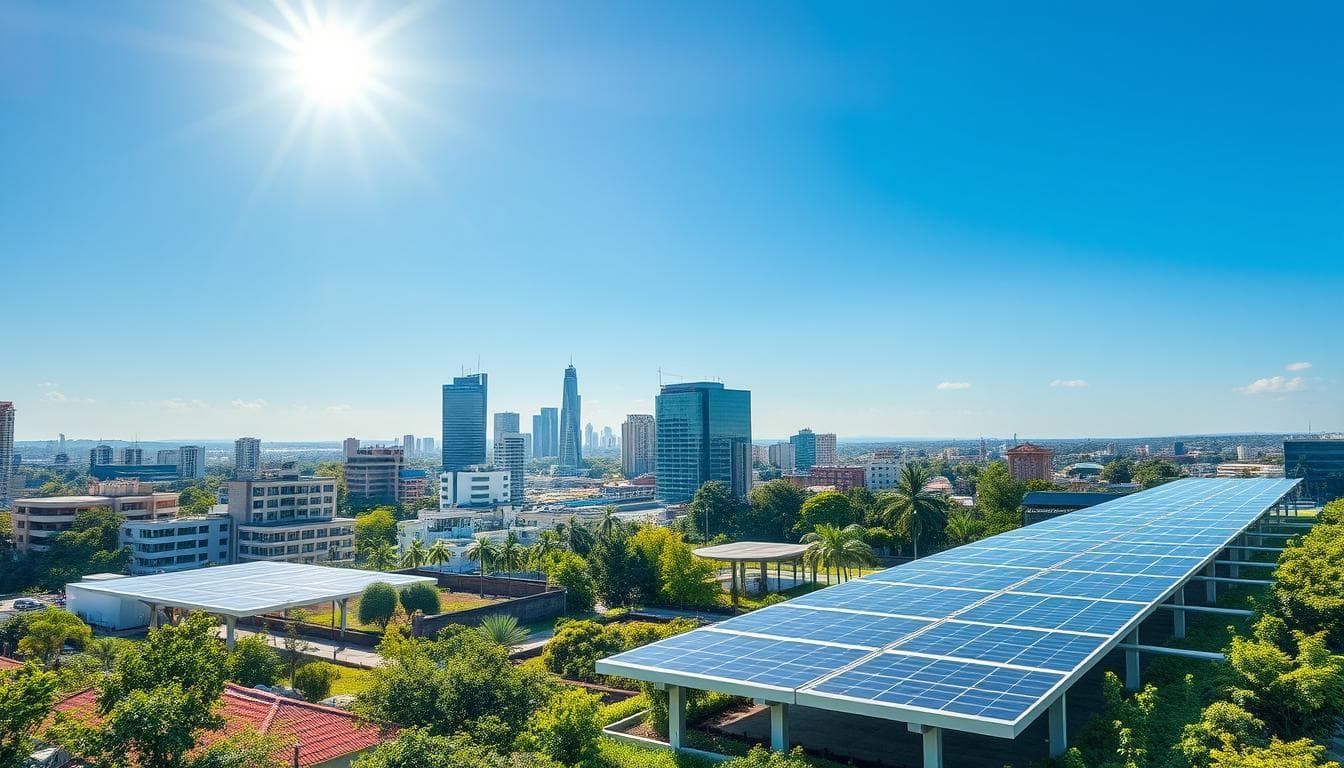
Solar energy captures sunlight using photovoltaic (PV) panels or solar thermal systems.
Best known for:
Rooftop solar panels
Large solar farms
Solar-powered homes and businesses
Off-grid electricity systems
2. Wind Energy

Wind turbines convert the kinetic energy of moving air into electricity.
Common applications:
Onshore wind farms
Offshore wind projects
Utility-scale electricity generation
3. Hydropower

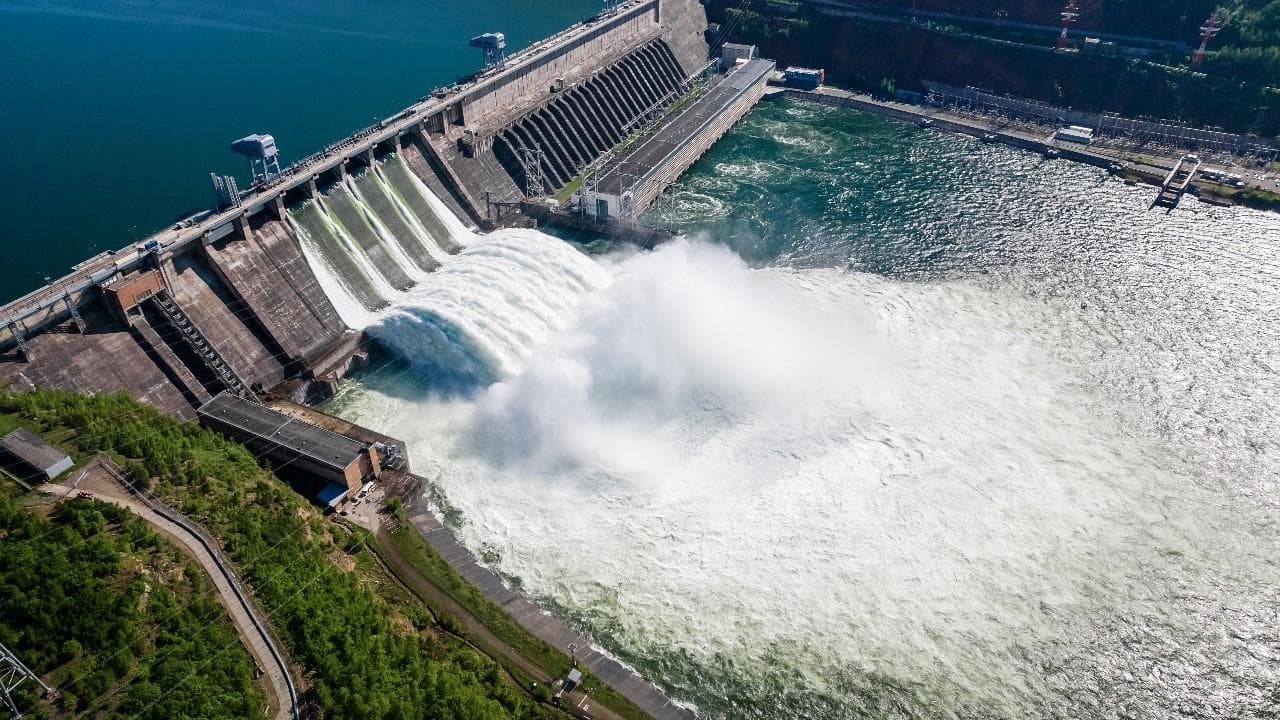
Hydropower generates electricity from flowing or falling water.
Includes:
Large hydroelectric dams
Run-of-river systems
Small-scale hydro projects
4. Geothermal Energy

Geothermal systems use heat stored beneath the Earth's surface.
Used for:
Electricity generation
District heating
Industrial heat applications
5. Biomass Energy

Biomass energy comes from organic materials such as agricultural residues, forestry byproducts, and certain waste streams.
Can produce:
Electricity
Heat
Biofuels
6. Ocean Energy

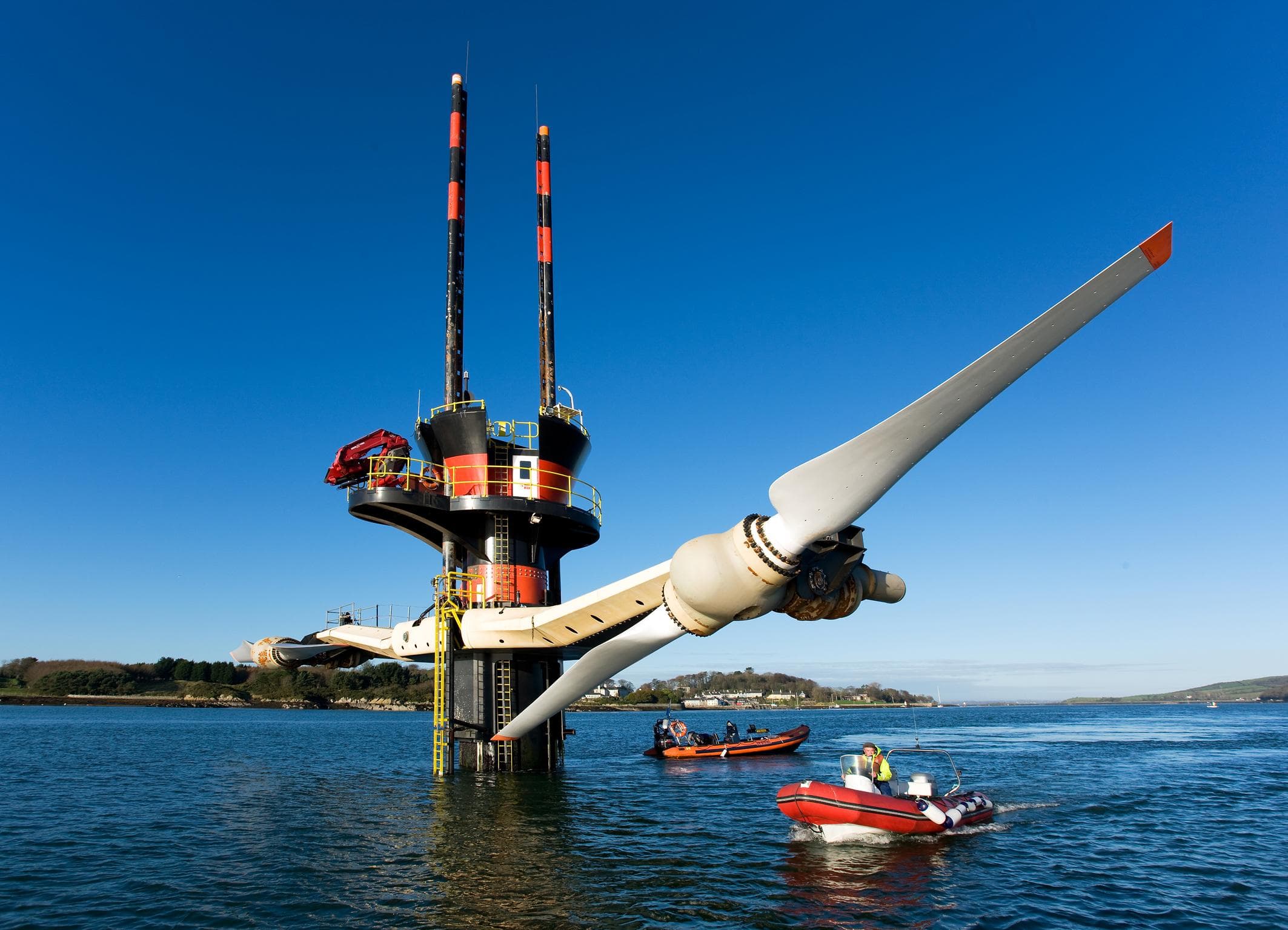
Marine energy technologies aim to capture power from waves, tides, and ocean currents.
These technologies are generally less commercially widespread than solar, wind, or hydropower but continue to be researched and developed.
Comparison Table
Energy Source | Primary Resource | Typical Output |
|---|---|---|
Solar | Sunlight | Electricity |
Wind | Moving air | Electricity |
Hydropower | Flowing water | Electricity |
Geothermal | Earth's heat | Electricity & heat |
Biomass | Organic material | Electricity, heat, fuel |
Ocean Energy | Waves & tides | Electricity |
About the Author
Aslam Hossain is the founder and editor of Vishtech Blog, creating accessible technology content about AI, software, startups, robotics, cybersecurity, and future innovations.
Comments
Article text preview: Introduction For most of human history, energy came from sources that were easy to burn: wood, coal, oil, and natural gas. Those fuels powered factori