Future Tech
AMD: The Technology Powering the Future of Computing
Explore AMD's Ryzen, Radeon, EPYC, and Instinct technologies and discover how AMD is shaping gaming, AI, data centers, and the future of computing.
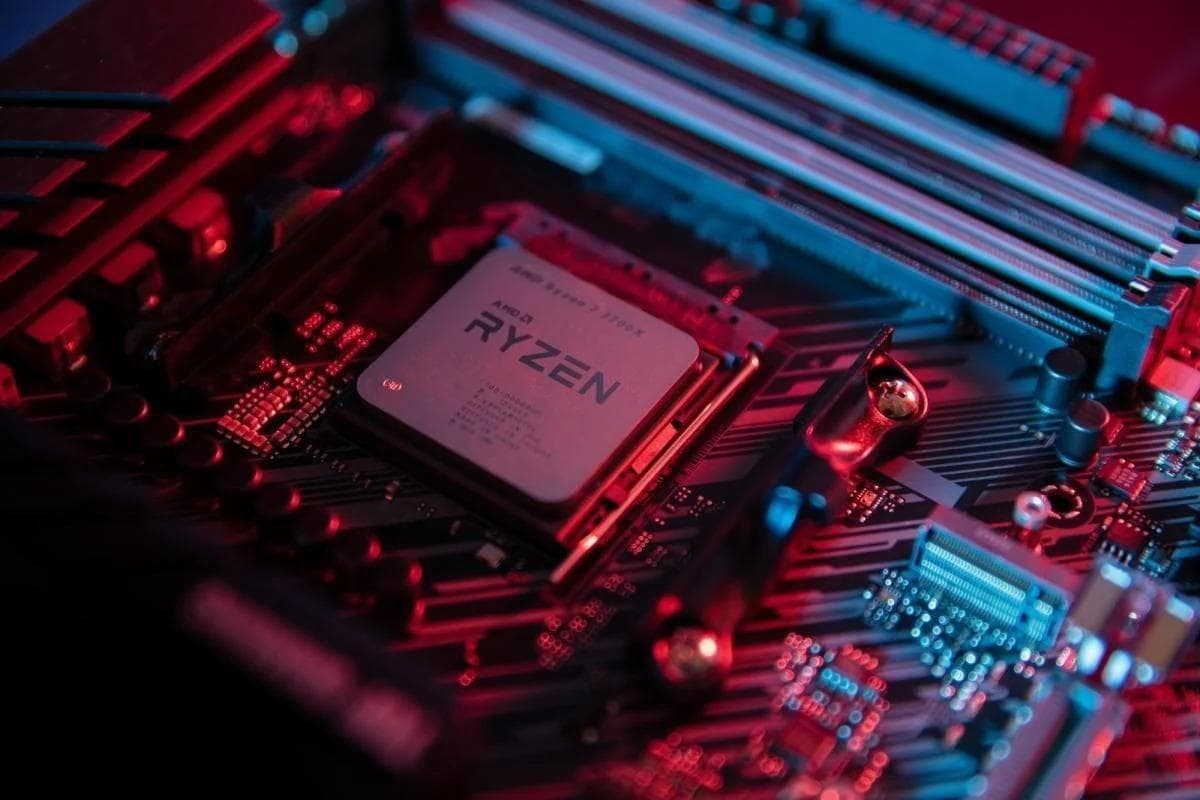
AMD: The Technology Powering the Future of Computing
Introduction
AMD, short for Advanced Micro Devices, is one of the world's most important semiconductor companies. From desktop processors and gaming graphics cards to data-center CPUs and AI accelerators, AMD plays a major role in modern computing.
For decades, AMD has competed with some of the biggest names in the semiconductor industry while developing its own processor architectures and graphics technologies.
Today, AMD's products are used across a wide range of markets, including personal computers, gaming, data centers, artificial intelligence, cloud computing, and high-performance computing.
But what exactly is AMD, and why has the company become so important to the future of technology?
What Is AMD?
Advanced Micro Devices (AMD) is a semiconductor company that designs high-performance computing and graphics products.
AMD was founded in 1969 and has evolved significantly throughout its history.
The company is best known today for several major product families, including:
- Ryzen — consumer and enthusiast processors
- EPYC — server and data-center processors
- Radeon — graphics products
- Instinct — accelerators for AI and high-performance computing
- Embedded products — processors and adaptive computing technologies
Rather than focusing on only one area of computing, AMD has built a broad portfolio spanning consumer devices, gaming, enterprise infrastructure, and advanced computing.
AMD Ryzen: Powering Personal Computers
One of AMD's most recognizable product families is Ryzen.
Ryzen processors are designed for desktops and laptops and are available across different performance levels.
They are used for tasks ranging from everyday computing and office applications to:
- Gaming
- Software development
- Video editing
- 3D rendering
- Content creation
- Multitasking
AMD's Ryzen family has become an important competitor in the consumer CPU market, particularly among users looking for strong multi-core performance and modern platform features.
AMD Radeon and Graphics Technology
AMD is also a major player in graphics processing through its Radeon product family.
Graphics processing units, or GPUs, are essential for modern gaming, visualization, content creation, and many computational workloads.
Radeon graphics technologies are designed to support features such as:
- High-resolution gaming
- Advanced rendering
- Ray tracing
- AI-assisted graphics technologies
- High refresh-rate displays
- Professional visualization
GPUs have also become increasingly important beyond gaming because modern AI and computing workloads can take advantage of highly parallel processing.
AMD EPYC: Powering Data Centers
While Ryzen focuses primarily on consumer computing, EPYC is designed for servers and data centers.
Modern data centers power many of the services people use every day, including:
- Cloud computing
- Websites
- Enterprise applications
- Databases
- Artificial intelligence
- Online services
- High-performance computing
Server processors need to handle large workloads while providing reliability, scalability, and efficient performance.
AMD's EPYC processors are designed specifically for these demanding environments.
AMD and Artificial Intelligence
Artificial intelligence is transforming the semiconductor industry.
Training and running advanced AI models requires enormous amounts of computing power. This has created growing demand for specialized accelerators capable of processing large numbers of calculations efficiently.
AMD addresses this market through its Instinct accelerator family and its broader data-center computing ecosystem.
AI accelerators can be used for workloads such as:
- Machine learning
- Generative AI
- Large-scale model training
- Scientific computing
- Data analysis
- High-performance computing
AMD's role in AI demonstrates how the company's technology portfolio extends far beyond traditional PC processors.
AMD Chiplet Technology
One of the important technologies associated with modern AMD processors is the chiplet approach.
Instead of building every part of a processor as one enormous piece of silicon, a chiplet-based design can divide different functions into smaller components.
These components can then be connected together within a processor package.
This approach can provide advantages in areas such as:
- Scalability
- Manufacturing flexibility
- Performance
- Product design
- Cost efficiency
Chiplet architectures have become an important direction in modern semiconductor engineering.
AMD and Gaming
Gaming has been an important part of AMD's consumer technology strategy.
A modern gaming PC often combines a powerful CPU and GPU, and AMD offers products in both categories.
Ryzen processors can provide the CPU performance required for gaming and other demanding workloads, while Radeon graphics products handle graphical rendering.
AMD technology is also used in major gaming platforms beyond traditional PCs, making the company an important part of the broader gaming hardware ecosystem.
AMD in High-Performance Computing
High-performance computing, commonly known as HPC, involves using powerful computing systems to solve extremely complex problems.
HPC applications can include:
- Scientific research
- Weather modeling
- Engineering simulations
- Physics
- Molecular research
- Financial modeling
- Artificial intelligence
AMD processors and accelerators are used in high-performance computing systems where massive computational workloads need to be processed efficiently.
This area demonstrates how semiconductor technology can contribute to scientific discovery as well as consumer products.
AMD's Role in the Semiconductor Industry
The semiconductor industry is one of the foundations of modern technology.
Processors and accelerators are found in:
- Computers
- Smartphones
- Servers
- Vehicles
- Game consoles
- Industrial systems
- AI infrastructure
- Embedded devices
AMD primarily focuses on chip design, while semiconductor manufacturing involves specialized fabrication companies.
This division between chip design and manufacturing allows companies such as AMD to concentrate heavily on architecture and product development while working with advanced manufacturing partners.
AMD vs Intel
AMD and Intel have been major competitors in the x86 processor market for decades.
Both companies produce processors for consumer and professional computing, but their product strategies and architectures have evolved over time.
A simple comparison looks like this:
| Area | AMD | Intel |
|---|---|---|
| Consumer CPUs | Ryzen | Core |
| Server CPUs | EPYC | Xeon |
| Graphics | Radeon | Arc |
| AI/HPC accelerators | Instinct | Gaudi and other accelerators |
| Main markets | PC, gaming, servers, AI, embedded | PC, servers, AI, embedded |
| Competition | Strong | Strong |
The best choice between products depends on the specific generation, workload, price, power requirements, and platform.
AMD vs NVIDIA
AMD also competes with NVIDIA in graphics and accelerated computing.
Radeon products compete in the consumer graphics market, while AMD's Instinct accelerators target data-center and AI workloads.
The competition is particularly significant because GPUs have become increasingly important for:
- Gaming
- AI
- Scientific computing
- Content creation
- Data centers
The GPU industry is therefore no longer only about graphics. It has become a major part of the global AI infrastructure.
The Future of AMD
The future of computing is moving toward increasingly heterogeneous systems where CPUs, GPUs, AI accelerators, memory, networking, and software work together.
AMD is positioned across several of these areas.
The company's future growth could be influenced by developments in:
- Artificial intelligence
- Cloud computing
- Data centers
- High-performance computing
- Gaming
- Personal computers
- Embedded systems
- Adaptive computing
As AI continues to increase demand for computing infrastructure, competition between major semiconductor companies is likely to become even more important.
Why AMD Matters
AMD is important because its technology operates across multiple layers of modern computing.
From a desktop PC running a game to a massive data center training an AI model, high-performance processors and accelerators are fundamental to the digital economy.
AMD's development reflects a broader transformation in computing:
CPU → GPU → AI Accelerator → Heterogeneous Computing
The future is increasingly about combining different types of processors to solve different problems efficiently.
Conclusion
AMD has grown from a semiconductor company focused on processors into a major technology company serving consumer computing, gaming, data centers, artificial intelligence, and high-performance computing.
Its Ryzen processors, Radeon graphics, EPYC server CPUs, and Instinct accelerators represent different parts of a rapidly changing computing ecosystem.
As artificial intelligence and high-performance computing continue to grow, the demand for powerful and efficient processors is likely to increase.
The future of computing will depend on many technologies working together—and AMD is positioned to be an important part of that future.
VishtechX will continue to explore the companies, processors, GPUs, AI technologies, and innovations shaping the future of computing.Write your article here...
About the Author
Aslam Hossain is the founder and editor of Vishtech Blog, creating accessible technology content about AI, software, startups, robotics, cybersecurity, and future innovations.
Comments
Article text preview: AMD: The Technology Powering the Future of Computing Introduction AMD , short for Advanced Micro Devices , is one of the world's most important semico